
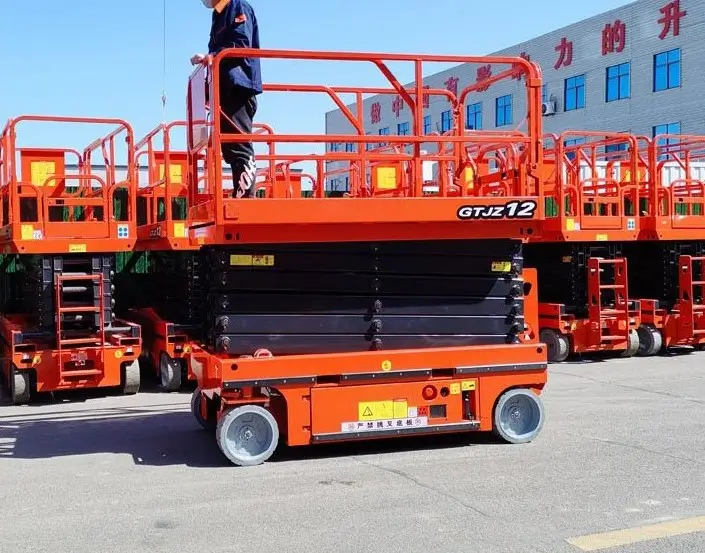
How to Operate a Scissor Lift: A Step-by-Step Guide. Scissor lifts are powerful tools for reaching heights safely, but improper operation can lead to accidents. Follow these guidelines to ensure safe and efficient use.
1. Pre-Operation Preparation
a. Training & Certification
- Only certified operators should use a scissor lift. Complete OSHA-compliant training to learn controls, safety protocols, and emergency procedures.
- Familiarize yourself with the specific model’s manual (e.g., Genie, JLG, or Skyjack).
b. Inspect the Equipment
- Mechanical Check: Look for hydraulic leaks, damaged wires, or cracked welds.
- Platform Inspection: Ensure guardrails, toe boards, and gates are secure.
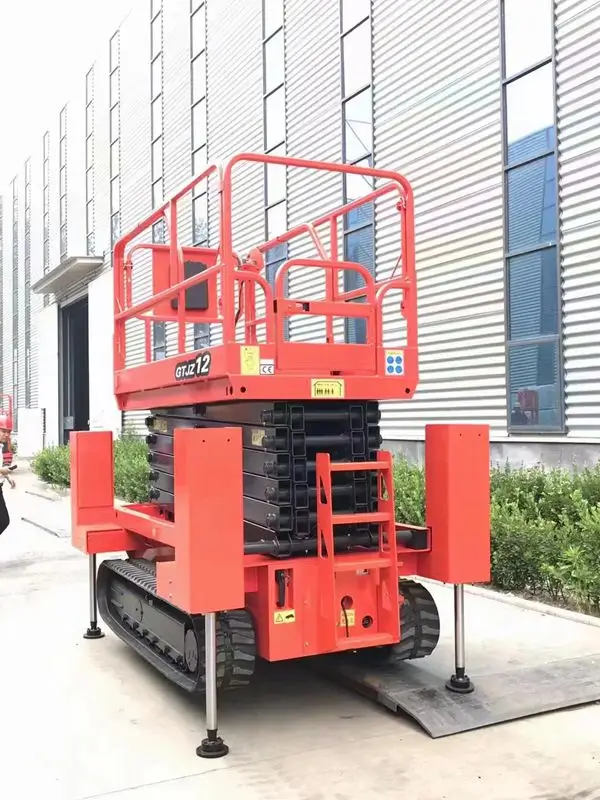
- Tires/Outriggers: Check tire pressure and confirm outriggers (stabilizers) function properly.
- Battery/Fuel: For electric lifts, verify battery charge; for diesel, check fuel levels.
c. Assess the Work Environment
- Ground Conditions: Avoid slopes exceeding the manufacturer’s limit (usually 3–5 degrees). Use outriggers on uneven terrain.
- Overhead Hazards: Identify power lines, tree branches, or ceilings. Maintain a 10-foot distance from electrical sources.
- Weather: Never operate outdoors in high winds, rain, or icy conditions.
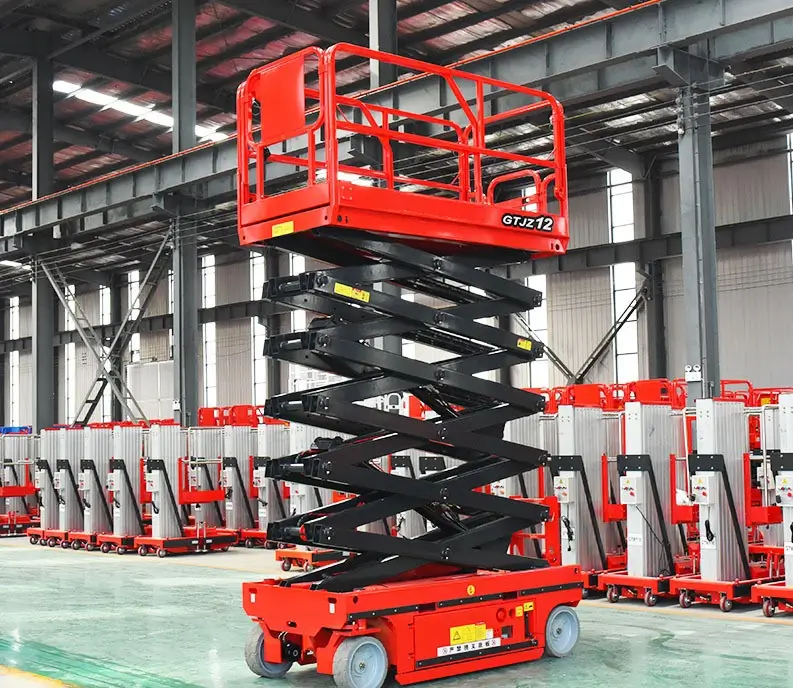
2. Operating the Scissor Lift
a. Entering the Platform
- Wear a safety harness anchored to the designated tie-off point.
- Secure tools/materials on the platform to prevent falls.
- Close the gate and ensure no one is underneath the lift.
b. Starting the Lift
- Turn the key to power the controls.
- Test the emergency stop button and lowering controls before ascending.
c. Ascending
- Use the UP control lever/pendant to raise the platform.
- Rise slowly and watch for obstacles. Never exceed the lift’s maximum height.
- Stop immediately if the lift wobbles or makes unusual noises.
d. Moving the Lift
- While Elevated: Most scissor lifts are not designed to drive while raised. Lower the platform to travel.
- While Lowered: Use the directional controls (joystick or buttons) to move. Drive slowly and avoid sudden turns.
e. Working at Height
- Stay centered on the platform—do not lean over guardrails.
- Keep limbs and tools inside the platform to avoid crushing hazards.
- Never use ladders or planks to extend your reach.
f. Descending
- Use the DOWN control to lower the platform smoothly.
- Ensure the path is clear of people and obstacles before descending.
3. Safety Tips During Operation
- Weight Limits: Never exceed the platform’s rated capacity (usually 500–1,000 lbs).
- Stability: Deploy outriggers on rough terrain. Avoid pushing/pulling objects from the platform.
- Communication: Use a spotter if working near blind spots or crowded areas.
- Emergency Protocols:
- If the lift malfunctions, use the manual lowering valve.
- In case of tip-over, stay inside the platform—do not jump!
4. Post-Operation Steps
- Lower the Platform Fully and turn off the power.
- Park Safely: Position the lift on flat ground, away from traffic.
- Recharge/Refuel: For electric models, plug in the battery; refill diesel tanks if needed.
- Report Issues: Note any malfunctions for maintenance.
Common Mistakes to Avoid
❌ Overloading the Platform: Tools + workers must stay under the weight limit.
❌ Ignoring Terrain: Operating on soft ground or slopes can cause tip-overs.
❌ Bypassing Safety Features: Never disable alarms, tilt sensors, or guardrails.
❌ Driving While Raised: Unless the model explicitly allows it (e.g., some rough-terrain lifts).
When NOT to Use a Scissor Lift
- For tasks requiring horizontal reach (use a boom lift instead).
- In confined spaces with low ceilings or tight corners.
- If the lift lacks proper certification or recent maintenance.
Real-World Example
A construction crew in Texas reduced accident rates by 60% after implementing a strict protocol:
- Daily equipment inspections.
- Mandatory harness use.
- Banning phone use while elevated.
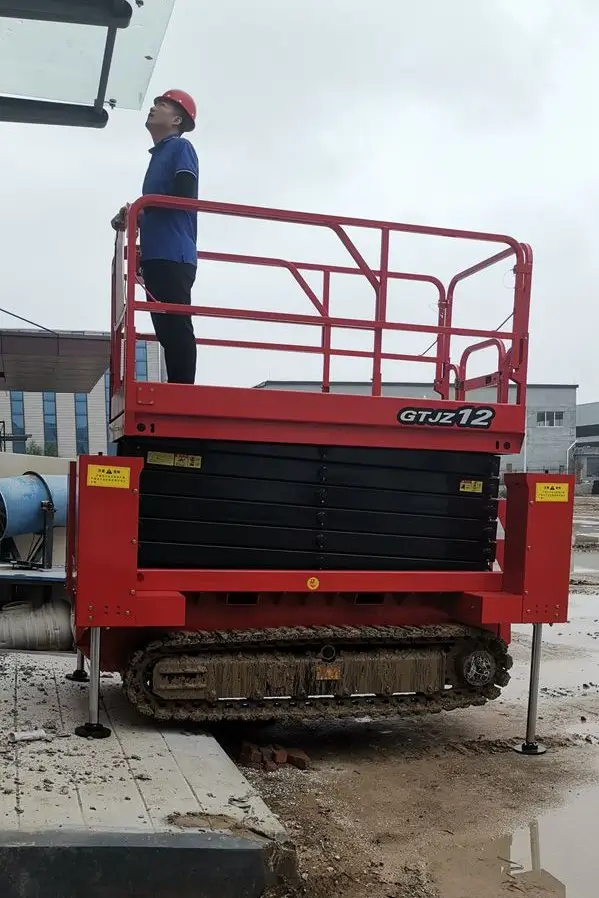
Final Tips
- Practice: Train in a controlled environment before real-world use.
- Stay Alert: Avoid distractions like phones or rushing tasks.
- Know Your Limits: If a job feels unsafe, stop and reassess.
Need formal training?
Contact OSHA-approved providers or equipment manufacturers for hands-on certification programs. Proper operation isn’t just about skill—it’s about saving lives.