
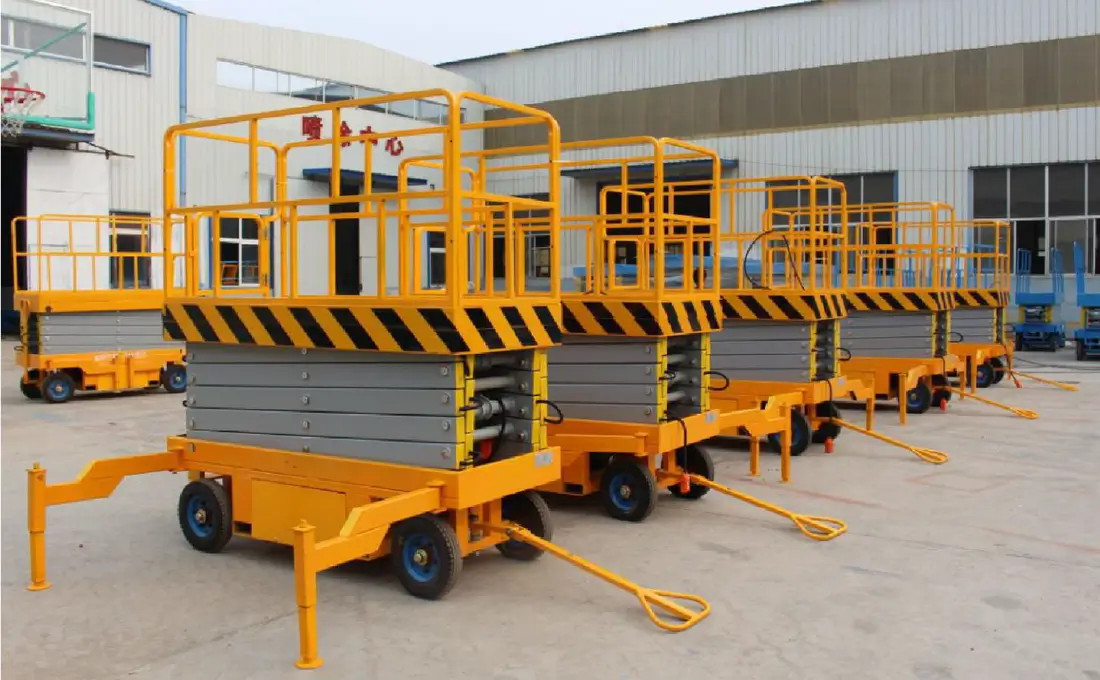
What is a Scissor Lift? If you’ve ever walked past a construction site, warehouse, or event venue, chances are you’ve seen a scissor lift in action. These versatile machines are a staple in industries that require safe and efficient access to elevated workspaces. But what exactly is a scissor lift, how does it work, and why has it become such a critical tool across so many fields? Let’s break it down.
Understanding the Basics
A scissor lift is a type of aerial work platform (AWP) designed to vertically raise workers, tools, and materials using a crisscrossing “scissor” mechanism. Unlike boom lifts, which extend outward like a robotic arm, scissor lifts move straight up and down, making them ideal for tasks that demand stable, confined vertical movement.
What is a Scissor Lift? Key features include:
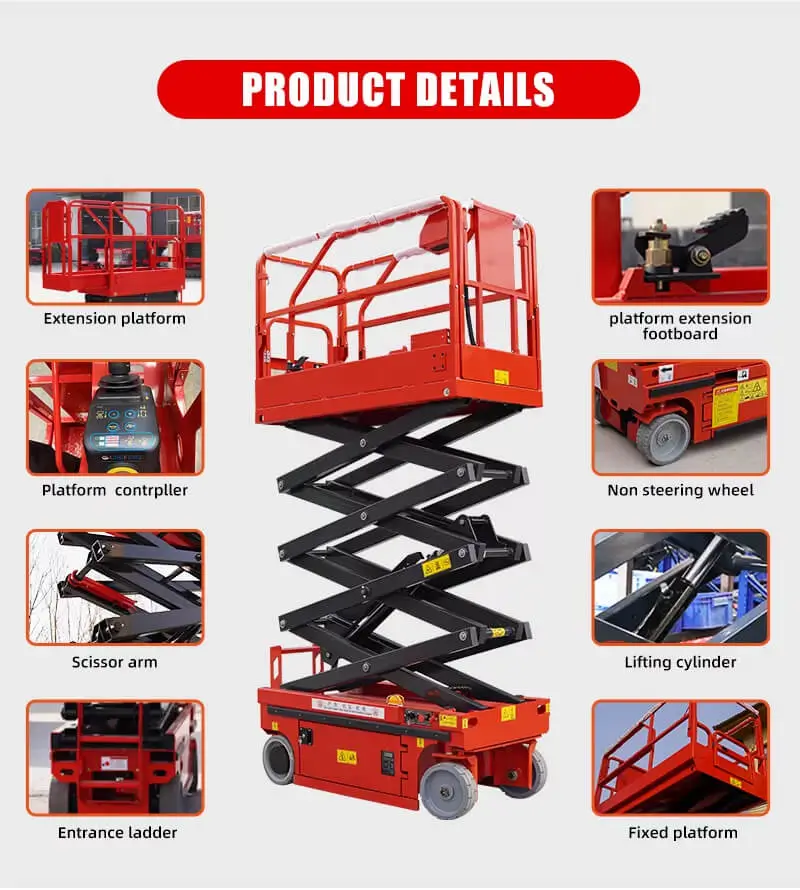
- Platform: A flat, open workspace with safety railings, typically large enough to hold 2–3 workers and their tools.
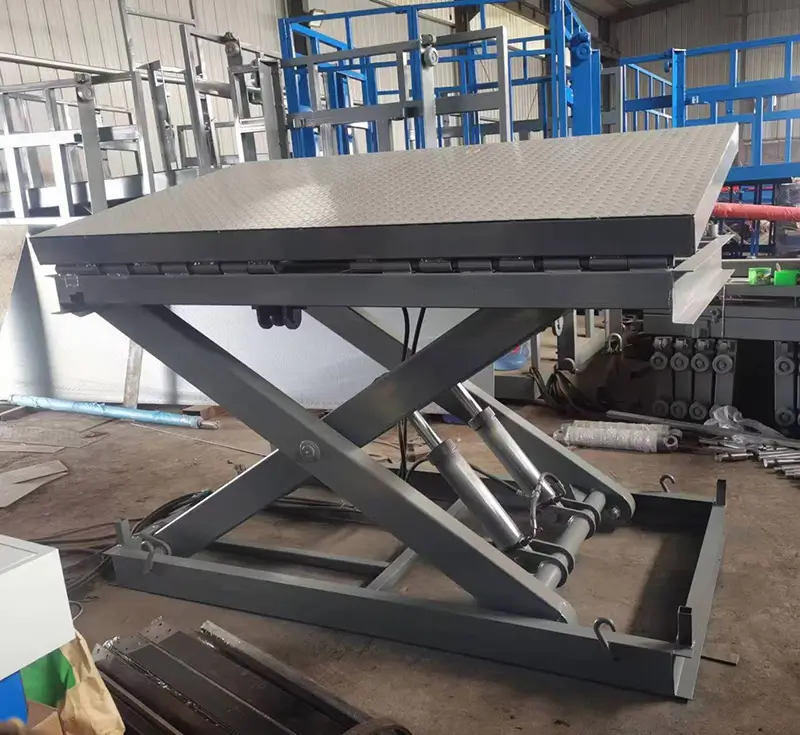
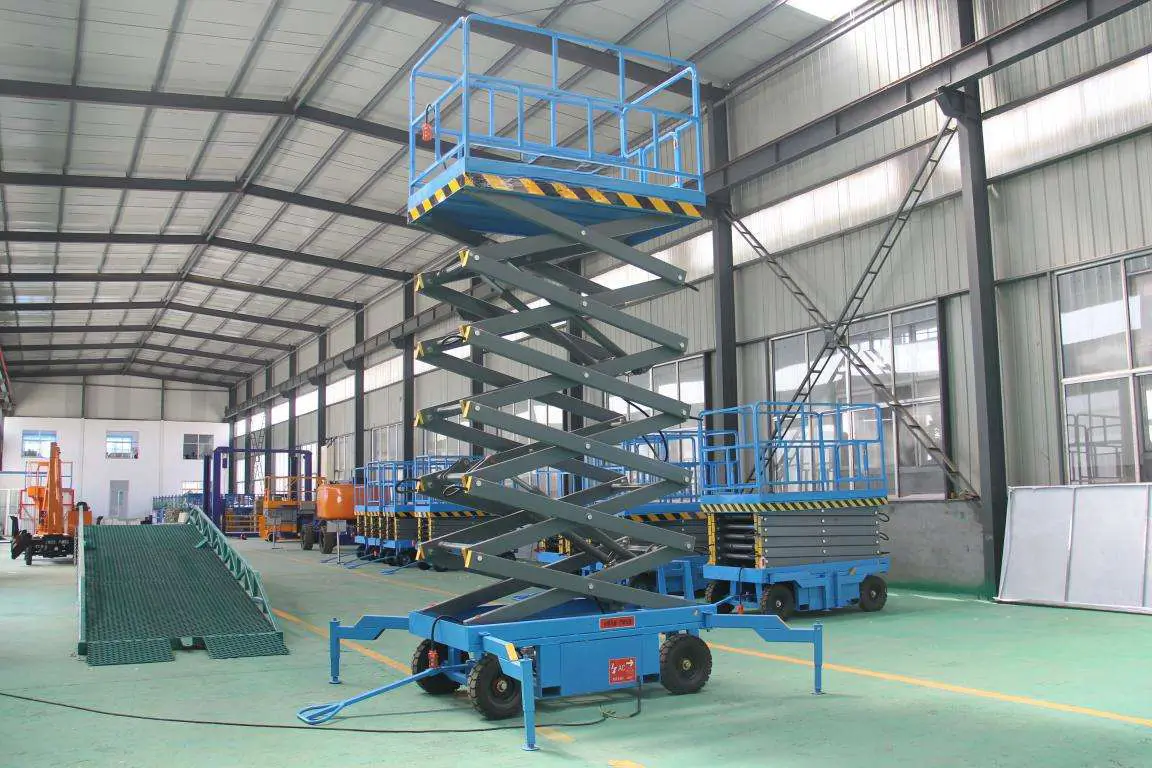
- Scissor Mechanism: Interlocking steel or aluminum supports that expand and contract like scissors, powered by hydraulics or electric.
- Power Source: Electric models (for indoor/quiet environments), diesel (for outdoor power), or hybrid engines.
- Mobility: Most have wheels or tires, allowing them to be driven or pushed into position.
Did you know? The modern scissor lift was popularized in the 1960s as industries sought safer alternatives to ladders and scaffolding. Today, they are a $10+ billion global market, with innovations focusing on energy efficiency and smart controls.
How Does a Scissor Lift Work?
The magic lies in its hydraulic or electric system, combined with engineering precision:
- Hydraulic Cylinders: When the operator activates the controls, hydraulic fluid is pumped into cylinders, creating pressure that pushes the scissor legs apart.
- Vertical Expansion: As the legs extend, the platform rises smoothly. Some industrial models can reach heights of 50+ feet (15+ meters).
- Stability: The wide base and interlocking design prevent swaying, even at maximum height. Many models include automatic brakes on inclines.
- Lowering: Releasing hydraulic pressure allows the platform to descend in a controlled manner. Emergency manual lowering systems are standard for safety.
Pro Tip: Electric scissor lifts often use quieter, eco-friendly battery-powered systems, while diesel models excel in outdoor environments with uneven terrain.
Common Uses of Scissor Lifts
Scissor lifts are indispensable across industries due to their adaptability:
- Construction: Installing ceilings, lighting fixtures, or HVAC systems in high-rise buildings.
- Warehousing: Accessing high shelves for inventory management in massive distribution centers.
- Retail: Decorating holiday displays or maintaining large store signage.
- Event Production: Setting up concert stages, lighting rigs, or projector screens.
- Industrial Maintenance: Cleaning factory machinery, repairing roof trusses, or servicing wind turbines.
- Film & Photography: Providing elevated camera angles for shoots.
Case Study: In 2022, a major airport used 30+ scissor lifts simultaneously to install energy-efficient LED lighting across its terminals, cutting project time by 40% compared to scaffolding.
Safety First: Operating a Scissor Lift
While scissor lifts are user-friendly, improper use can lead to accidents. Follow these guidelines:
- Training: OSHA requires operators to complete certified training programs.
- Pre-Use Inspections: Check for hydraulic leaks, tire damage, or platform cracks. Test emergency controls.
- Stabilization: Always deploy outriggers on uneven ground. Avoid slopes exceeding manufacturer limits (usually 3–5 degrees).
- Weight Limits: Exceeding capacity can tip the lift—most platforms support 500–1,000 lbs (227–454 kg).
- Environmental Hazards: Keep clear of overhead power lines, and avoid high winds when elevated.
- Fall Protection: Use harnesses anchored to designated points, even if guardrails are present.
Shocking Stat: A 2023 OSHA report found that 70% of scissor lift incidents resulted from lack of training or improper stabilization.
Types of Scissor Lifts
Choosing the right model depends on your project’s needs:
- Electric Scissor Lifts: Zero emissions, quiet operation, and compact designs (e.g., 19-inch width for narrow aisles). Ideal for indoor use in warehouses or hospitals.
- Rough Terrain Scissor Lifts: Reinforced tires, higher ground clearance, and diesel engines for construction sites or agricultural settings.
- Slab vs. Extended Height: Smaller slab models (20–30 ft) for indoor maintenance vs. heavy-duty lifts (up to 50+ ft) for exterior building work.
- Hybrid Models: Combine electric mobility with diesel power for versatility in mixed environments.
Innovation Spotlight: New AI-powered lifts now feature obstacle detection and automatic height adjustment for collision prevention.
Why Choose a Scissor Lift?
- Cost-Effective: Rentals start at $150/day—far cheaper than cranes or scaffolding for mid-height tasks.
- Time-Saving: Reduces setup time compared to erecting scaffolding; workers can ascend in seconds.
- Space Efficiency: Narrow designs fit through standard doorways, and some models are towable.
- Eco-Friendly Options: Electric/battery models reduce carbon footprints in sensitive environments.
Fun Fact: The tallest scissor lift ever built (by Sinoboom) reaches 88 feet—equivalent to an 8-story building!
Final Thoughts
Scissor lifts are a cornerstone of modern industry, blending innovation with practicality. Whether you’re painting a warehouse wall, installing stage lights, or stocking warehouse shelves, these machines offer a safe and reliable way to reach new heights. Always prioritize proper training, routine maintenance, and adherence to safety protocols to ensure every lift is a success.
By understanding their design, applications, and safety requirements, businesses and workers can harness the full potential of scissor lifts—one elevation at a time.
Need a scissor lift for your project?
Consult our team to find the right model for your needs! Whether you’re tackling a one-time event or a long-term construction project, the right lift can elevate your efficiency—literally!