
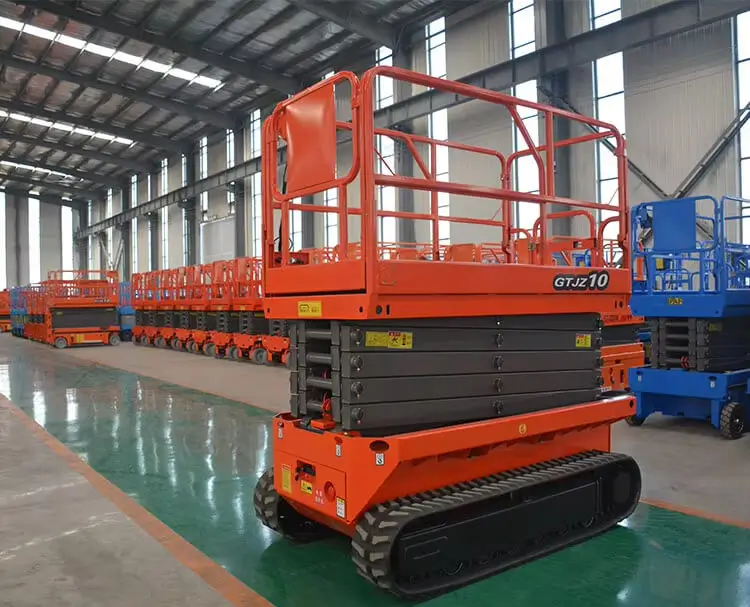
How much does a scissor lift weigh? Scissor lifts are indispensable pieces of equipment for a wide range of aerial work tasks. Their defining characteristic is the robust scissor mechanism that provides exceptional platform stability, a spacious working area, and impressive load-bearing capabilities. This makes them ideal for situations requiring multiple workers and substantial materials to be elevated safely and efficiently.
Simplifying Scissor Lift Load Capacity by Platform Height
To give you a practical understanding, let’s look at the typical weight and load capacities of standard scissor lifts based on their platform height:
| Platform Height | Approximate Weight | Platform Load Capacity | Extended Platform Capacity |
|---|---|---|---|
| 19′ ft Scissor Lift | 3527 lbs – 4630 lbs (1600KG ~ 2100KG) | 440 lbs – 1102 lbs (200KG ~ 500KG) | 249 lbs (113KG) |
| 26‘ ft Scissor Lift | 4894 lbs – 6644 lbs (2220KG ~ 3014KG) | 507 lbs – 992 lbs (230KG ~ 450KG) | 249 lbs (113KG) |
| 30‘ ft Scissor Lift | 7,275 lbs (3,300KG) | 705 lbs (320KG) | 249 lbs (113KG) |
| 32‘ ft Scissor Lift | 6463 lbs (2932 kg) | 705 lbs (320 kg) | 249 lbs (113 kg) |
| 38‘ ft Scissor Lift | 6,591 lbs (2,990 KG) | 705 lbs (320 KG) | 249 lbs (113 KG) |
| 40‘ ft Scissor Lift | 10,802 lbs (4,900 KG) | 804 lbs (365 KG) | 308 lbs (140 KG) |
| 45‘ ft Scissor Lift | 10,758 lbs (4,880 KG) | 507 lbs (230 KG) | 249 lbs (113 KG) |
| 52‘ ft Scissor Lift | 17636 lbs – 18474 lbs (8000KG ~ 8380KG) | 1499 lbs (680KG) | 507 lbs (230KG) |
Understanding Extended Platform Capacity: The extendable portion of a scissor lift’s platform is designed to increase the horizontal reach and overall working area. The “extended platform capacity” refers to the maximum weight this additional section can safely support.

What Factors Influence a Scissor Lift’s Load Capacity?
Several key factors determine how much weight a scissor lift can safely handle:
- Platform Size and Configuration: The dimensions and layout of the platform directly impact the distribution of weight and the overall stress on the lifting mechanism. Larger platforms, while offering more workspace, need to be engineered to support heavier loads.
- Scissor Mechanism Design and Materials: The structural integrity of the scissor arms, the quality of the materials used in their construction, and the overall design (including the number and arrangement of crossbars) are critical for maximizing load capacity. Robust designs using high-strength materials can handle greater weights.
- Hydraulic System Efficiency: The hydraulic system is the engine that powers the lift’s vertical movement. Its components, including pumps, cylinders, and hoses, must be in excellent working order to ensure the lift can effectively and safely raise and lower heavy loads. Regular maintenance is paramount.
- Power Source Considerations: Scissor lifts can be powered by electric, diesel, or hydraulic systems. Typically, electric-powered lifts might have slightly lower load capacities compared to their diesel counterparts. Choosing the right power source should align with the specific demands of the task and the environment.
- Operating Environment: The conditions under which a scissor lift is used significantly affect its safe load capacity. Uneven terrain, slopes, obstacles, and weather conditions can all introduce instability and reduce the lift’s ability to handle its maximum rated load. Manufacturers provide guidelines for safe operation under various conditions, and these must be strictly adhered to.

Why Scissor Lift Weight Matters
The overall weight of a scissor lift is a crucial factor that influences several aspects of its usability:
- Transportation Logistics: Lighter scissor lifts are significantly easier and more cost-effective to transport between job sites. This can translate to greater efficiency and reduced overhead.
- Load Capacity and Weight Limits: Generally, larger and heavier rough terrain scissor lifts are engineered to handle greater platform capacities and higher overall weight limits. Understanding the weight of the lift helps users select a machine that can accommodate their required personnel and materials.
- Informed Decision-Making: Knowing the weight specifications allows operators and site managers to make informed decisions about ground support, transportation methods, and overall site safety.
Key Factors to Consider When Selecting a Scissor Lift
Choosing the right scissor lift for your needs involves careful consideration of several factors:
- Required Load Capacity: Begin by accurately determining the maximum weight you’ll need the lift to handle, including personnel, tools, and materials. Always choose a lift with a capacity that exceeds your anticipated maximum load to ensure safe operation.
- Desired Lifting Height: Select a scissor lift with a maximum platform height that adequately meets the requirements of your work environment. Consider both indoor and outdoor applications and any potential overhead obstructions.
- Platform Size and Workspace: Evaluate the necessary platform area to comfortably and safely accommodate your workers and materials. Ensure the lift’s dimensions are suitable for the available operating space and any potential access restrictions.
- Power Source Suitability: Choose between electric, diesel, or other power options based on factors like noise levels, emissions regulations (especially for indoor use), and the availability of power sources on the job site.
- Safety Features and Compliance: Prioritize safety by ensuring the scissor lift meets all relevant safety standards and regulatory requirements. Verify the presence of essential safety features such as fall protection systems, overload sensors, and emergency stop mechanisms. Check for proper certifications and adherence to quality management systems.
- Cost-Effectiveness Analysis: Consider the initial purchase price, operating costs (including energy and maintenance), and the overall lifespan and reliability of the scissor lift. Aim for a balance between affordability and long-term value.

About Us: Your Trusted Partner in Scissor Lifts
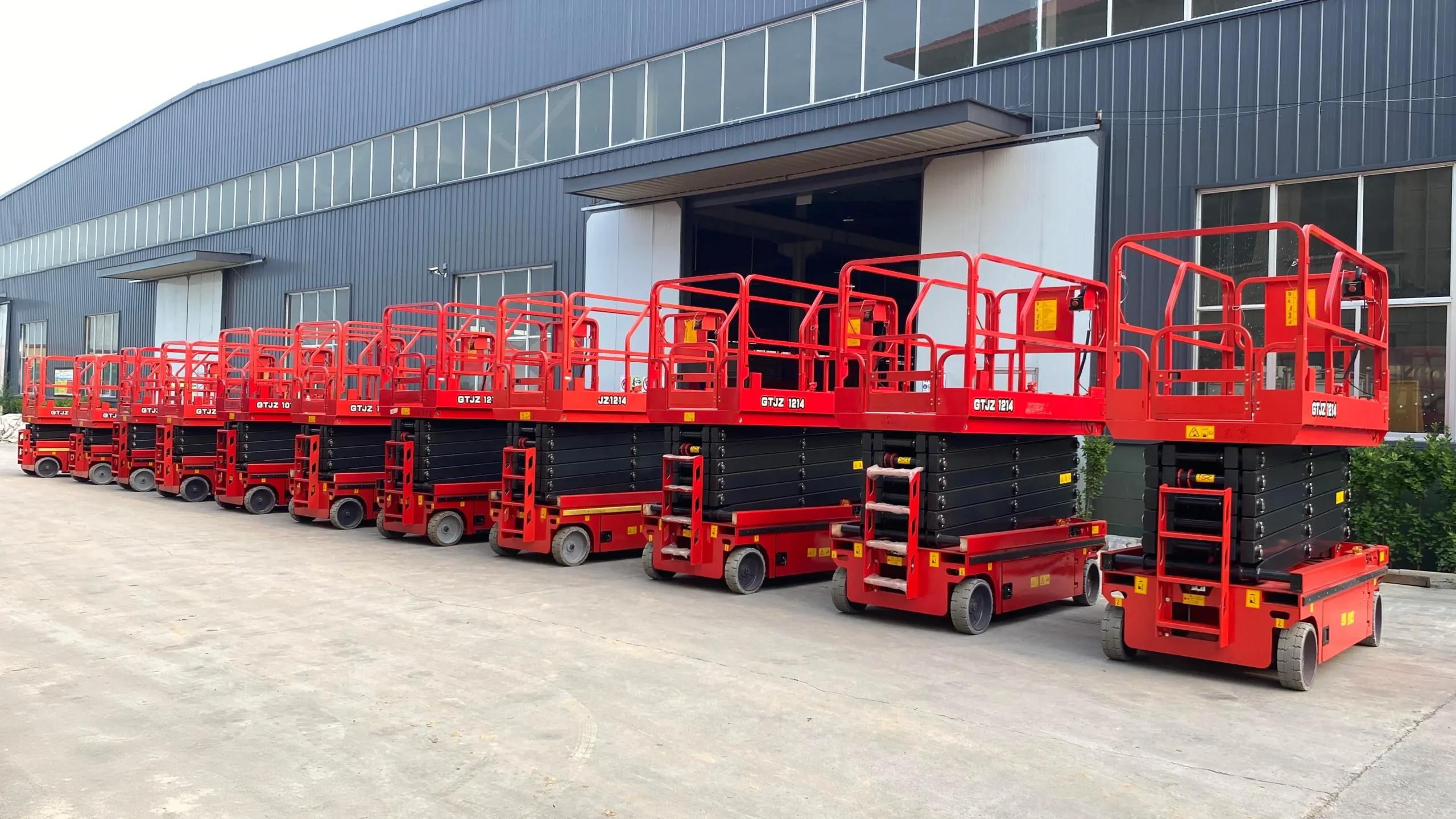
As a leading scissor lift manufacturer in China, we bring two decades of experience and a commitment to quality to every unit we produce. With a high annual sales volume and a dedicated R&D team, we offer good pricing and comprehensive one-on-one after-sales support. Let us be your partner in finding the perfect scissor lift solution for your aerial work needs.
By focusing on providing detailed explanations, structuring the information logically, and using relevant keywords, this revised version aims to offer valuable content to readers while also being optimized for search engines.